
Abstract
This study examines the presentation of educational news in Pakistani regional newspapers, comparing coverage in urban and rural contexts. Utilizing a Google Form survey, it aimed to identify disparities in information coverage, analyze the portrayal of rural educational issues, and evaluate the standards of education journalism. While the exploratory data collection involved 18 responses from diverse demographics across various provinces, the initial analysis indicates an urban-centric bias in educational reporting, underrepresentation of rural educational issues, and differing reader perceptions on the quality and significance of educational news. These findings underscore key areas for further investigation into the media's role in educational discourse.
Keywords:
Educational News, Pakistan Newspapers, Underrepresentation, Media Bias
Introduction
In the contemporary information age, the media is quite powerful in determining the manner in which the public opinion and the policy discussion are formed. The media play an important role in shaping society through education, which is a vital aspect of societal development and society relies heavily on the media to inform, criticize, and advocate for fair policymaking. In Pakistan, regional newspapers are the key to providing education-oriented news among the urban and rural populations. However, coverage differences may affect public awareness, prioritization, and funding for the reforms in education. This study explores the coverage of educational news in Pakistani regional newspapers, specifically examining differences between urban and rural areas and the extent to which rural education issues are reported.
Research Objectives
To compare urban and rural educational news coverage by the volume and quality.
To assess the readers' perception of the significance of educational news.
To determine whether there are rural education problems that are underreported.
To examine the language, format, and focus of educational news in regional papers.
Research Questions
The research questions of this study are as follows:
How do the volume and quality of educational news coverage differ between urban and rural areas in Pakistani regional newspapers?
How do readers of Pakistani regional newspapers perceive the significance of educational news coverage?
Are rural educational issues underreported in Pakistani regional newspapers, from the perspective of both news content and reader perception?
What are the key characteristics of the language, format, and thematic focus of educational news in Pakistani regional newspapers?
Literature Review
In countries like Pakistan, it is commonly accepted that the media helps influence how people understand development and the way education policy is made. Studies on how education is presented in the press have especially considered regional differences and the lack of coverage for rural education matters. Through describing similar studies, this literature review highlights the significance of the current study on rural education coverage in Pakistan's regional press.
Fahim and Islam (2023) analyzed how the Turkish and Pakistani approaches to media education are influenced by their national discourses. They observed that while Pakistani newspapers and websites discuss important government matters, they usually do not address local family and educational problems. This makes it clear that the issues in rural places often go unnoticed in the larger national stories.
A study done by Rauf, Ali, and Irfan (2021) found that Urdu and English newspapers covered social and environmental issues differently. Media studies found that local news was covered more closely in Urdu newspapers, though farmers' main issues continued to be overlooked. This is necessary since Urdu is widely used in newspapers in villages and rural areas. Similarly, an Australian study by Islam et al. (2024) showed that newspapers in Bangladesh usually report national news rather than regional problems. It suggests there is a global problem with the way urban areas are shown in the news.
The term "solution journalism" was explained in the Pakistani context by Hassan, Ahmed, and Ali in 2025. The review found that the majority of educational tales reported on achievements, policies, or examination results, but failed to highlight systemic problems affecting marginalized groups. This is in line with what was found in the study which is that news about rural education issues is much less frequent.
In their study, Jamil and Bhuju indicated that the usual ways of teaching journalism are not able to effectively prepare journalists to handle local matters. They propose learning methods that involve reporters visiting schools and communities in rural areas which could make their reports better balanced. This means the problem may involve journalism training as well as the opinions of editors.
Digital divides are studied by Jamil (2023) and it shows that rural areas remain less included in the digital age, as they lack essential resources and receive less news attention. Stories from underdeveloped regions are either neglected or turned into sensational news because reporters focus on cities. The observation matches the idea that many rural respondents feel excluded from the media's portrayal of education in India.
Ejaz, Ittefaq, and Arif (2024) assessed how accurately journalists in Pakistan report on the climate crisis and highlighted the effects of both incorrect information and agendas in deciding what to publish. The conclusions which come from reports on climate, highlight the concern about imbalanced reporting and require us to be responsible in journalism, including in education.
When considering these studies, it is clear there is not enough attention given to rural education in the press. They call for changes in media, better training for journalists, and focus on local stories to avoid overlooking the problems facing rural education in Pakistan.
Methodology
This research utilized the quantitative survey method to collect data as the major method. The reason for adopting this method was to come up with measurable understandings regarding the way individuals from different demographic groups perceive and engage with educational news material within regional newspapers across Pakistan (Fahim & Islam, 2023). Quantitative surveys are especially useful in discerning patterns, comparing responses between groups, and drawing statistical relevancy conclusions - which makes it a best-fit study design for the current comparative study.
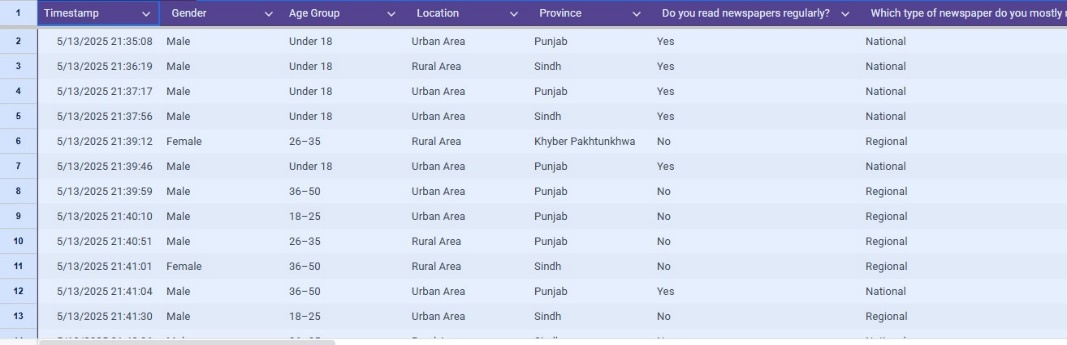
To gather primary data, a structured Google Form was developed, and it reached out to the target population through digital platforms (WhatsApp, E-mail, and social media) to submit their responses. The use of an online form made the research accessible as well as anonymous and easy to respond to for both urban and rural respondents. The form was left open for responses for some time and it received a total of 18 valid responses. Despite having a small sample size, the opinions expressed rang a decent mix of representation from among Pakistan's provinces and demographic groups (Rauf, Ali, & Irfan, 2021).
The questionnaire consisted of close-ended multiple-choice questions and Likert scale questions that called for opinions, and there were two major sections in the questionnaire, which were:
Demographic Information
This segment acquired central background information concerning the respondents such as:
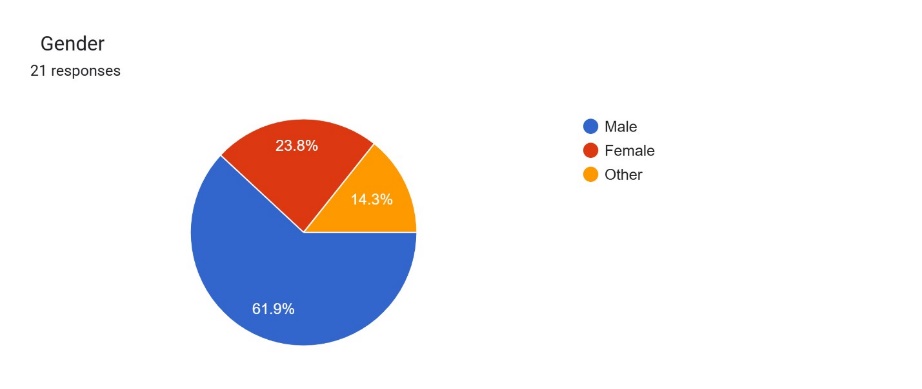
Gender (Male, Female, Other)
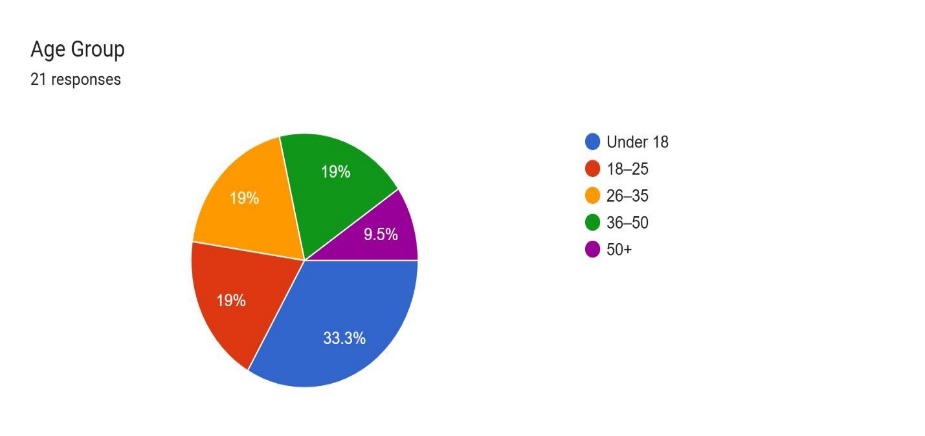
Age Group (Under 18, 18-25, 26-35, 36-50, 50+)
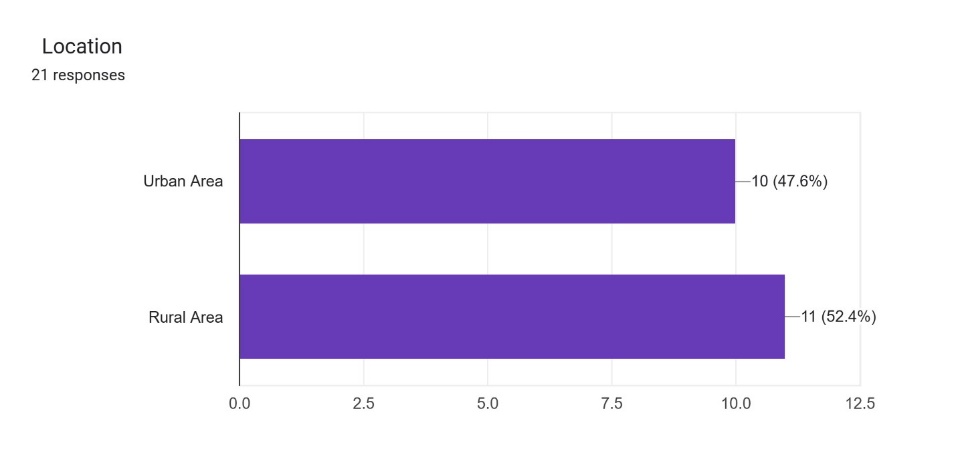
Geographical Location (Urban or Rural)
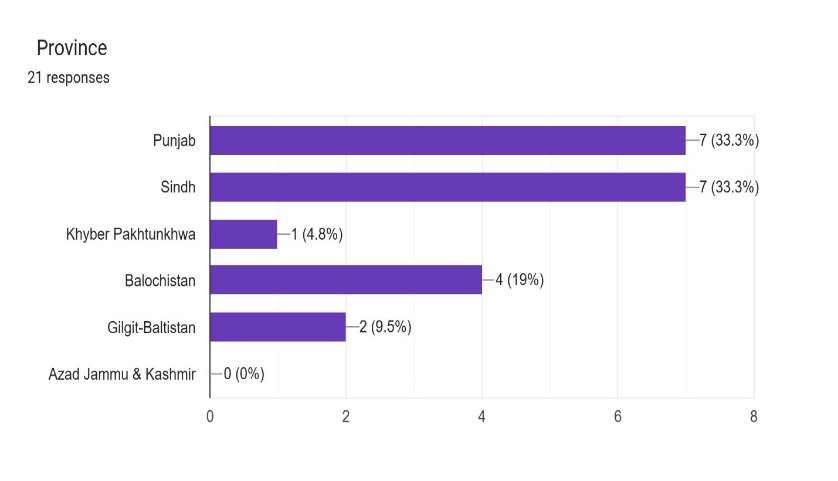
Province: Punjab, Sindh, Balochistan, Khyber Pakhtunkhwa, and Gilgit-Baltistan
Media Consumption and Perception Indicators
The second part expanded on the readers' preferences and perceptions. Questions covered:
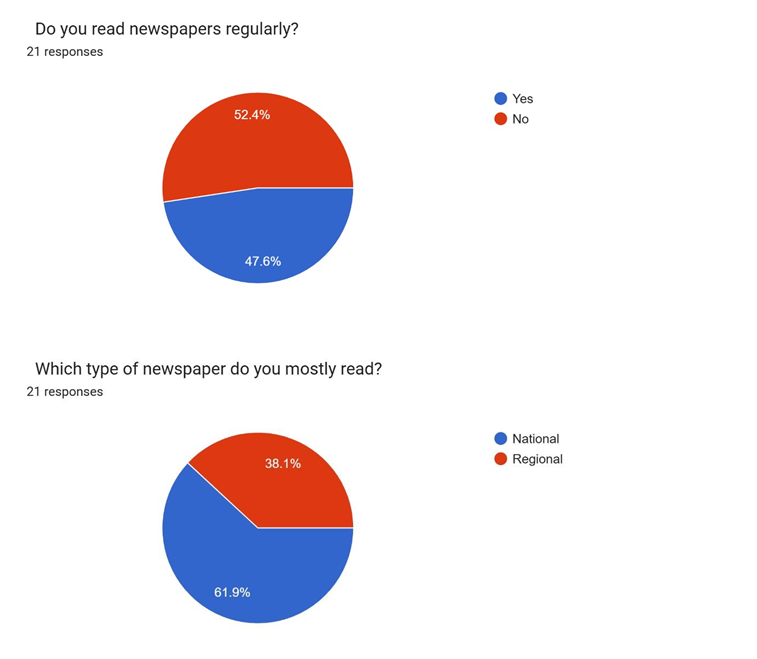
Whether they read newspapers regularly
Preferred form of newspaper (national or regional newspapers)
Newspaper language preference (Urdu, English, and regional languages)
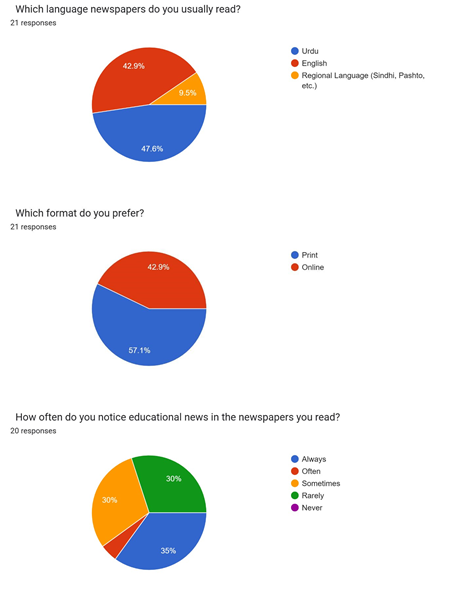
Format preference (Print or Online)
Frequency of encountering educational news
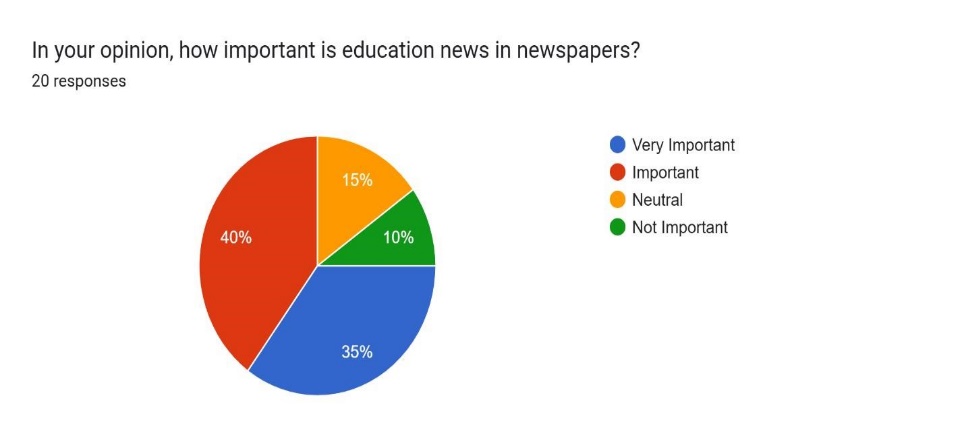
Perceived importance of educational news
Views on this issue as to whether there would be more coverage of urban or rural education issue
Tendencies in agreement levels with respect to the underreporting of rural education issues Quality of educational reporting
Some typical education news observed, for instance, government policies, schedules for examinations, achievements, or rural education problems.
Responses were accumulated from participants that were in all critical provinces: Punjab (8), Sindh (6), Balochistan (2), Khyber Pakhtunkhwa (1), and Gilgit-Baltistan (1). This geographical spread will assist in providing a multi-regional perception of the contents of the newspaper and its alleged relevance and effectiveness (Islam, Hossain, Hossen, & Bashar, 2024). While conducting the survey, it was also able to come up with a very close proportion in urban and rural representations i.e. 10 urban and 8 rural respondents hence a comparative analysis in the two settings.
Although the sample size was relatively small, measures were put in place to ensure that the subjects came from diverse backgrounds in age, gender, and access to education. The enrollment of younger readers (under 18 years), working-age adults, and older respondents makes the dataset richer and useful due to the generational insights on news consumption habits and educational preferences.
The use of Likert scale questions (e.g., Strongly Agree to Strongly Disagree, Very Poor to Excellent) enables the respondent to express the degree of opinion instead of limited choices to be more rounded in data with which to work (Hassan, Ahmed, & Ali, 2025). Further, the collected data was automatically compiled in a Google Sheets spreadsheet for systematic coding and statistical summarization.
All the responses were checked and thematically grouped manually where patterns were identified. Frequencies and trends were observed and demographic cross-tabulation was made to identify the various variables in the perception of educational news such as place of residence (urban vs rural), the language of the newspaper, and format preference.
Demographic Overview
The demographic profile of the survey respondents is useful in understanding the findings of this study on educational news coverage in Pakistani regional newspapers. A total of 18 valid responses were received, and this included a wide range of respondents as far as gender, age, geographical location, and provincial background were concerned.
When measured by gender, there were 14 male participants, 3 female participants, and a participant who identified as "Other" in the sample. Such gender distribution suggests a male response group that is dominant, which is likely to depict other trends from the consumption of media and changes in trends in newspaper reading in Pakistan, especially among the younger age groups (Ittefaq, Ejaz, Fahmy, & Sheikh, 2021).
As concerns age groups, a greater number of respondents were under 18 years (8) an indication of high or formidable interest or awareness in educational news among the school-going youth. This was then followed by an equal representation from the age bracket of 18-25, 26-35, and 36-50, with 3 responses each. In addition, there were 1 respondent in the 50+ age group. This cut across age categories serves to bring out generational views as far as access and interpretation of information about education-related news is concerned.
Geographically, the survey had almost equal representation from urban (10 participants) and rural (8 participants). This state of equilibrium is quite significant in examining disparities in the perceptions of educational news coverage in urban and rural areas - one of the key themes of the research (Jamil & Bhuju, 2023).
From the perspective of the provinces, the most number of respondents belong to the province of Punjab (8), followed by Sindh (6) and Balochistan (2) while from Khyber Pakhtunkhwa and Gilgit-Baltistan provinces, there was only one respondent. This provincial variety brings some understanding of the local dynamics of media and enables a more comprehensive analysis of diversities in educational news coverage all around Pakistan.
Key Findings and Analysis
This part provides a closer look at the data collected in the course of the survey and outlines the main trends noticed regarding different spheres of newspaper reading habits, educational news perceptions, and the regional bias of the coverage values. To enhance clarity and subject focus, there are parts to the analysis.
Reading Habits and Newspaper Preferences
Of the 18 participants where 9 respondents indicated that they read the newspapers regularly which represents a 50% regular readership rate. The rest of the participants read newspapers seldom or did not read them at all, probably because of the digital media or lack of interest. Of the 18, 10 favored the national newspapers, and the other 8, the regional ones, meaning that the national newspapers are slightly more popular among both urban and rural segments.
As far as the choice of language is concerned, Urdu came out to be the most popular choice with 8 respondents opting for it. They were then followed by English (7 respondents), and regional languages like Sindhi, Pashto, or Balochi were chosen by just 3 participants. Paucity in the former might be a manifestation of low literacy or lack of such newspapers in print or online versions.
Frequency of Education News Visibility
The survey was about how often the respondents were able to notice educational news in newspapers that they happened to see. The findings were as follows:
Always Notice: 8 respondents
Sometimes Notice: 4 respondents
Rarely Notice: 5 respondents
Often Notice: 1 respondent
From this data, it can be concluded that almost half of the respondents (8 out of 18) systematically pay attention to educational news, whilst a smaller group pays attention to such content sometimes or even rarely. This is an indication that although educative news has a tangible exposure in print and online media, its presence in either medium can fluctuate by the publication, the time of the day, and the interest of the specific reader.
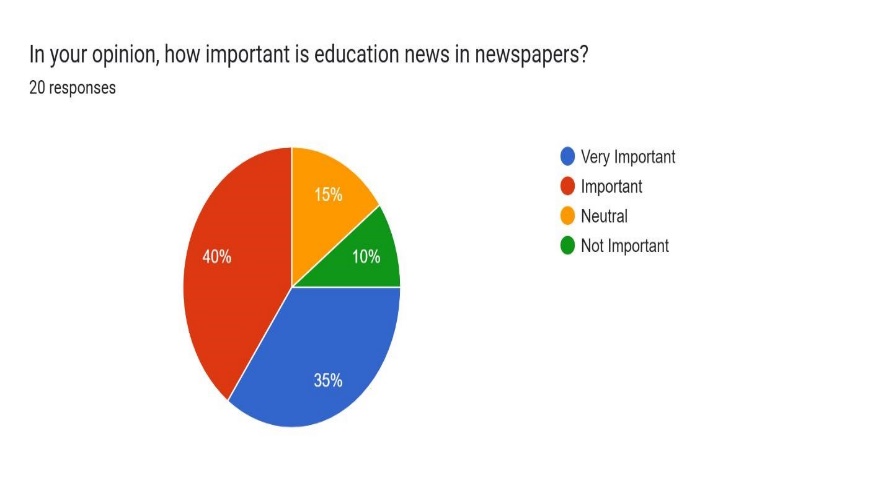
Perceived Importance of Educational News
Responses to the question as to how important they thought educational news is were:
Very Important: 7 respondents
Important: 7 respondents
Neutral: 3 respondents
Not Important: 1 respondent
Such results indicate a great agreement on the significance of educational news. 14 out of 18 respondents (more than 77%) thought that education-related stories are important or very important. This feeling was consistent among both the urban and rural respondents, which demonstrated a consensus on education being a key social and developmental problem.
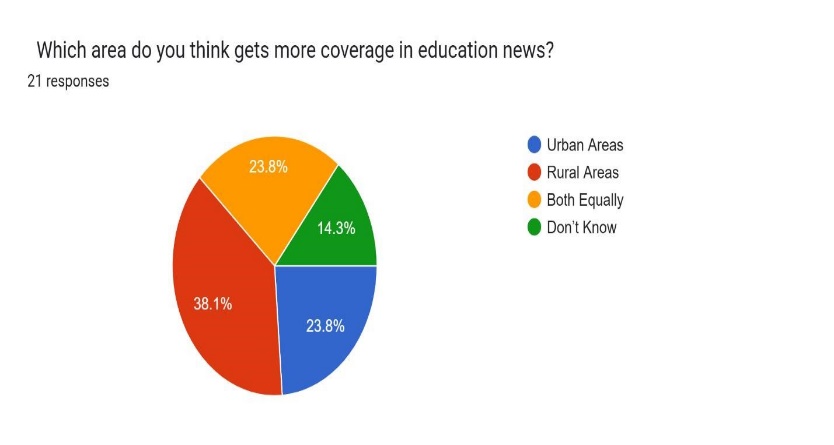
Perceived Focus of Educational News
Participants were asked to indicate if they think that educational news coverage is more inclined towards urban or rural areas.
Urban Areas: 7
Rural Areas: 6
Both Equally: 4
Don't Know: 1
From the results, the perception of urban bias is slightly higher whereby 7 respondents felt that urban education problems receive more media coverage. It is interesting that 6 believed rural problems were rather covered, while 4 believed that both were covered equally. This variety of opinion-related standing indicates that standings regarding bias may be subject to the geographical perspective of the respondent.
Rural Education Problems Underreporting - Perception.
In order to have a better understanding of disparities in media coverage, participants were asked whether they agreed with the following statement: "Rural education issues are underreported." Their responses were:
Strongly Agree: 6
Agree: 6
Neutral: 4
Disagree: 2
12 respondents (66%) either agreed or strongly agreed thus showing a clear concern of media neglect of rural education. 2 disagreed implying a minority who believes that rural issues are well covered. These results support the previous worries over urban-oriented reporting and indicate a large gap in perceptions with regard to the need for rural representation in the media vs. the current delivery.
Quality of Educational Reporting
Respondents were also tasked to rate the quality of reporting news in the field of education:
Excellent: 9 respondents
Good: 3 respondents
Average: 4 respondents
Very Poor/Fair: 2 respondents
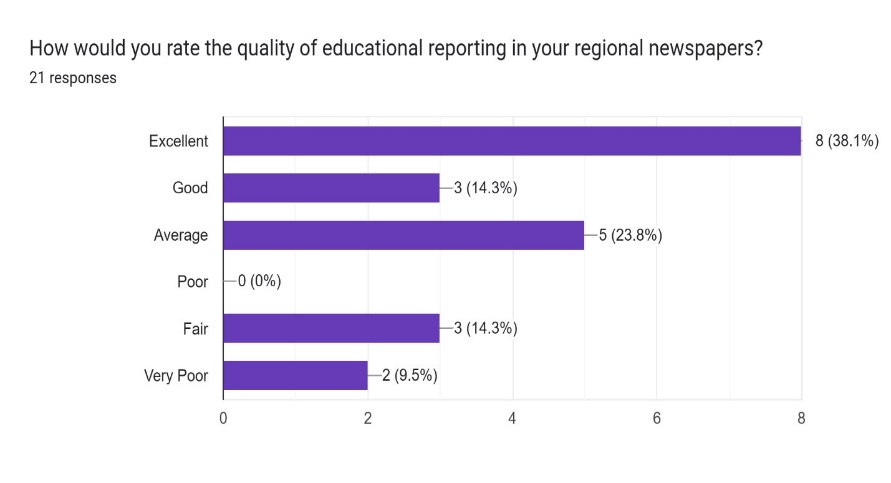
In spite of the apparent under-reporting of issues in the rural areas, 9 participants gave excellent ratings to the educational journalism. This positive feedback was the most frequent among the readers of national Urdu newspapers which suggests that these publications are possibly better in terms of the form of presentation, clarity, or applicability of educational material. However, the 4 averages and 2 negatives reference room for improvement - especially in regard to balanced regional coverage and deep investigative reporting.
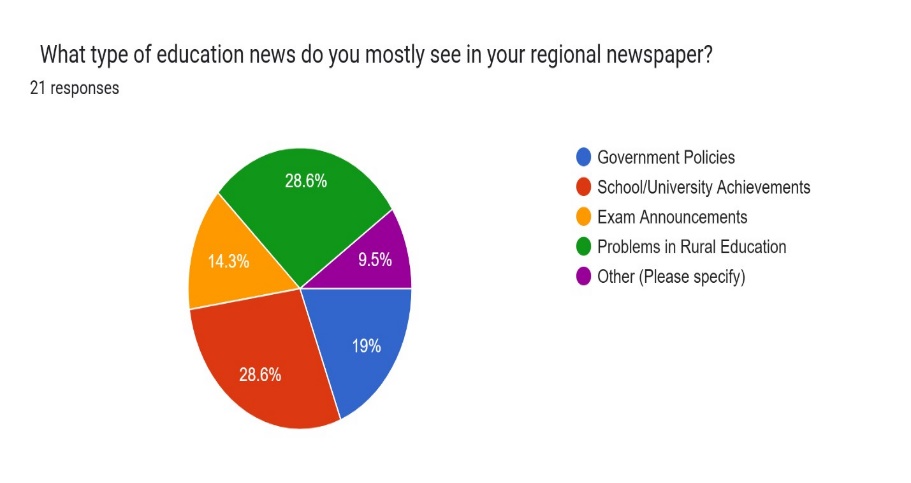
Types of Educational News Observed
The respondents were asked to state which type of educational news they commonly came across.
The results showed:
Government Policies: 4 respondents
School/University Achievements: 4 respondents
Exam Announcements: 3 respondents
Problems in Rural Education: 4 respondents
Other/Unspecified: 3 respondents
This distribution indicates a great emphasis on policy updates and institutional success stories, i.e. rankings, awards new initiatives, etc. Simultaneously, there were 4 respondents who mentioned experiencing the content that touches upon issues of rural education problems, meaning that though such topics are addressed it does not mean that they are more relevant. The presence of "Other" and unspecified content also indicates the diversity of the scope of education reporting, but it may not be always consistent or effective.
Discussion
From the study, there is an urban bias in educational news reports. Urban respondents felt that their areas were doing things more often compared to the rural areas while rural participants had more dissatisfaction with the coverage. This goes along with the inclination of the media to favor metropolitan events and institutions over rural ones, in which the educational infrastructure is commonly weaker and under-financed.
The language and format are also important. Urdu-language newspapers were perceived to have better quality and more favorable responses from readers. This implies that in some regions, language accessibility continues to be a barrier, particularly in areas where English, or regional, languages predominate but are not necessarily understood by most members of society.
In addition, the nature of the educational content addressed also indicates a superficial approach to it. Policy roll-outs and successes get preference over investigative or critical reporting on rural education anathemas like absence or dearth of schools, teacher shortages, or outdated curriculum.
Challenges Identified
Representation of rural education issue in limited numbers:
Bias toward urban-centric events
Shortage of critical journalism in education
Poor standards and lack of depth in regional reporting
Language forms obstacles for marginalized groups
Recommendations
Media Training: Regional journalists need to be trained to carry out in-depth investigations and reporting of rural education issues.
Incentives for Rural Reporting: The newspapers should offer incentives for field reporting in rural districts.
Diversify Sources: Enable the use of community voices and school-level stakeholders in educational reporting.
Multilingual Accessibility: Establish content promotion in local languages and make the education coverage understandable and available to a larger section of people.
Policy Engagement: Media outlets should work cooperatively with the education ministries to guarantee they report in line with the national education goals.
Conclusion
Educational news in regional Pakistani newspapers is generally perceived as significant by most of the readers but the news on rural education situation is still under-reported. The research reports an urban bias and superficial coverage patterns being evident. Enhancing the quality and inclusiveness of educational journalism is critical in reducing the rural-urban educational gap and enabling all subjects to obtain, as well as inspire, equal knowledge and empowerment about better schooling and education reforms.
References
- Ejaz, W., Ittefaq, M., & Arif, M. (2024). Understanding influences, misinformation, and Fact-Checking concerning Climate-Change journalism in Pakistan. In Routledge eBooks (pp. 168–188). https://doi.org/10.4324/9781032627526-10
- Fahi̇M, M., & Islam, M. N. (2023). Investigating the Differences & Similarities: A Comparison of Turkish and Pakistani Media Educational Systems. Batı Anadolu EğItim Bilimleri Dergisi, 14(2), 1035–1078. https://doi.org/10.51460/baebd.1267124
- Hassan, K., Ahmed, A., & Ali, S. (2025). “Solution journalism” in Pakistani print media: A comparative analysis of English press coverage of environmental reporting in Pakistan. International Research Journal of Arts, Humanities and Social Sciences, 2(02), 47–80. https://bibbase.org/network/publication/hassan-ahmed-ali-solutionjournalisminpakistaniprintmediaacomparativeanalysisofenglishpresscoverageofenvironmentalreportinginpakistan-2025
- Islam, N. M. S., Hossain, N. M. S., Hossen, N. S., & Bashar, N. K. (2024). DO LOCAL NEWSPAPERS REFLECT THE LOCALS? A COMPARATIVE STUDY ON LOCAL AND NATIONAL NEWS COVERAGE IN KHULNA. Khulna University Studies. https://doi.org/10.53808/kus.2024.21.01.961-ss
- Ittefaq, M., Ejaz, W., Fahmy, S. S., & Sheikh, A. M. (2021). Converged journalism: practices and influences in Pakistan. Media International Australia, 181(1), 167–182. https://doi.org/10.1177/1329878x211017329
- Jamil, S. (2022). Evolving newsrooms and the second level of digital divide: Implications for journalistic practice in Pakistan. Journalism Practice, 17(9), 1864–1881. https://doi.org/10.1080/17512786.2022.2026244
- Jamil, S., & Bhuju, K. (2023). Environmental journalism education beyond the conventional pedagogical approaches: Exploring the scope of experiential learning to train Pakistan’s journalism students. Media Asia, 50(1), 4–23. https://doi.org/10.1080/01296612.2022.2067946
- Rauf, A., Ali, S., & Irfan, M. (2021). Pakistani print media coverage of environmental issues: A comparative study of Urdu and English newspapers.
Cite this article
-
APA : Shah, A., & Shahid, M. (2025). Comparative Analysis of Educational News Coverage in Pakistani Regional Newspapers Across Urban and Rural Areas. Global Social Sciences Review, X(II), 132-142. https://doi.org/10.31703/gssr.2025(X-II).11
-
CHICAGO : Shah, Amir, and Muhammad Shahid. 2025. "Comparative Analysis of Educational News Coverage in Pakistani Regional Newspapers Across Urban and Rural Areas." Global Social Sciences Review, X (II): 132-142 doi: 10.31703/gssr.2025(X-II).11
-
HARVARD : SHAH, A. & SHAHID, M. 2025. Comparative Analysis of Educational News Coverage in Pakistani Regional Newspapers Across Urban and Rural Areas. Global Social Sciences Review, X, 132-142.
-
MHRA : Shah, Amir, and Muhammad Shahid. 2025. "Comparative Analysis of Educational News Coverage in Pakistani Regional Newspapers Across Urban and Rural Areas." Global Social Sciences Review, X: 132-142
-
MLA : Shah, Amir, and Muhammad Shahid. "Comparative Analysis of Educational News Coverage in Pakistani Regional Newspapers Across Urban and Rural Areas." Global Social Sciences Review, X.II (2025): 132-142 Print.
-
OXFORD : Shah, Amir and Shahid, Muhammad (2025), "Comparative Analysis of Educational News Coverage in Pakistani Regional Newspapers Across Urban and Rural Areas", Global Social Sciences Review, X (II), 132-142
-
TURABIAN : Shah, Amir, and Muhammad Shahid. "Comparative Analysis of Educational News Coverage in Pakistani Regional Newspapers Across Urban and Rural Areas." Global Social Sciences Review X, no. II (2025): 132-142. https://doi.org/10.31703/gssr.2025(X-II).11