
- Seating: Studies show that benches and shaded rest areas allow visitors, particularly elderly users, children, and caregivers, to spend longer periods in parks, facilitating both rest and social interaction (Kimic & Polko, 2021). Comfort, durability, and placement of seating are crucial; poorly designed or insufficient seating deters users and limits the social function of parks (Wu & Song, 2017). Inclusive seating designs that accommodate users with diverse physical abilities also promote equitable park usage (Alam et al., 2020; Maruthaveeran & Van den Bosch, 2015).
- Lighting: Lighting is a critical design feature that impacts the safety, usability, and perception of urban parks, especially during evening hours (Lorenc et al., 2012; Kimic & Polko, 2021). Inadequate or poorly maintained lighting is often associated with reduced park use due to fears of crime and personal insecurity (Alam et al., 2020). Implementing Crime Prevention Through Environmental Design (CPTED) strategies, including uniform and well-distributed lighting across pathways, playgrounds, and gathering areas, enhances both real and perceived safety (Santos, Mendes, & Vasco, 2016). Proper lighting design contributes to visual clarity and deters illicit activities, encouraging more diverse user groups to frequent parks during extended hours (Maruthaveeran & Van den Bosch, 2015).
- Pathways: Well-designed paths are important for park users (Abdelhamid & Elakahrany, 2020; Zhai & Baran, 2016). Good design includes logical and functional paths that provide access throughout the park (Rock et al., 2016), preventing overcrowding in some areas and abandonment in others (Santos, Mendes, & Vasco, 2016). Pathways are integral to park functionality, facilitating movement, exercise, and accessibility. Smooth, barrier-free pathways encourage physical activity, such as walking, jogging, and cycling, and are especially important for older adults and people with disabilities (Zhai & Baran, 2017; Park, 2017). Research emphasizes that clear, well-connected pathway networks improve the overall usability of parks, linking entry points with key facilities like playgrounds, sports courts, and picnic areas (Fineschi & Loreto, 2020). Pathway width, surface quality, and the presence of shaded segments also influence user comfort and park satisfaction. In addition to park design properties, manicured parks are perceived as safer than more natural-looking ones (Baran et al., 2018). Lack of safe paths, uneven ground, and poor-quality sidewalks are perceived as problems for many park users (Park, 2017; Kimic & Polko, 2021).
Abstract
Community parks provide essential ecological and social functions in rapidly urbanizing and densely populated cities such as Karachi. This study investigates the relationship between park design characteristics and user satisfaction and park utilization through an in-depth case analysis of KDA Family Park, a neighbourhood park in a high-density residential area of Karachi. A case study research approach was employed, integrating structured questionnaires and field observations to collect comprehensive data from park users and adjacent residents. Key design characteristics evaluated included green cover, amenities(seating, lighting, pathways),accessibility, safety, and maintenance. Findings indicate that while KDA Family Park provides essential green space and functions as a valuable social hub, various design and maintenance deficiencies, such as broken fencing, inadequate lighting, and insufficient seating, detract from its overall effectiveness. As a foundational study, it offers insights for urban planners and policymakers aiming to enhance neighbourhood park design in Karachi and similarly dense urban environments.
Keywords
Community Parks, Landscape Design, Park Design Characteristics, Park Utilization, User Satisfaction.
Introduction
Community parks represent fundamental components of urban green infrastructure, serving as the most immediate and accessible form of public open space for urban residents (M Fleuhr, McKeon, & Branas, 2018; Zhu et al., 2020). As green spaces are embedded within city neighbourhoods, these parks play a critical role in shaping both the ecological environment and the quality of life for surrounding communities (Zhu et al., 2020). Their contributions extend beyond aesthetic enhancement to include ecological functions such as air purification, microclimate regulation, and noise reduction, thereby influencing broader urban sustainability objectives (Qian, 2017; Bing et al., 2019). Community parks also serve as essential venues for leisure, recreation, and disaster mitigation, acting as integral units within urban parkland systems that support public health, environmental resilience, and social cohesion (Xiaoli et al., 2013). These spaces not only function as physical buffers against the adverse impacts of urban development but also fulfill psychological and social needs by offering restorative environments that support relaxation and social interaction (Loukaitou-Sideris et al., 2016; Wang et al., 2021).
A growing body of research underscores the importance of various park characteristics in determining user satisfaction and park utilization. Factors such as layout, green cover, safety, and maintenance significantly influence public perceptions and experiences (Bing et al., 2019). The inclusion of amenities such as playground equipment, seating, pathways, and fitness facilities enhances the attractiveness and usability of these spaces, contributing positively to user engagement and frequency of visits (Wei et al., 2018; Parra et al., 2019). Furthermore, proximity and accessibility are key determinants of park usage; parks located within walking distance from residences are more frequently visited and are associated with improved physical and mental well-being (Aronson et al., 2017; Matos et al., 2019). However, poorly maintained parks, high crime perceptions, and inadequate facilities can deter public use and undermine the intended social and environmental benefits (Alam et al., 2020; Ebrahimzade et al., 2014).
Measuring user satisfaction with community parks has become an essential tool in urban planning, informing decisions on design improvements, resource allocation, and policy interventions (Parra et al., 2019). Karachi exemplifies the environmental dilemmas of South Asian megacities, where rapid urban expansion and infrastructural development have led to the systematic loss of green spaces and natural landscapes (Dawn, 2024). In such contexts, neighbourhood parks like KDA Family Park become vital "lungs" of the city and key nodes for building community cohesion. Yet, design shortcomings can seriously undermine these benefits. Studies show that park users are sensitive to elements like seating comfort, lighting, pathways, fencing, and maintenance, which directly influence their usage patterns and satisfaction levels. This study aims to empirically assess how landscape design features in KDA Family Park shape user satisfaction and perceptions of the park's social, functional, and aesthetic value. Specifically, it examines whether design deficiencies such as broken fences, poor lighting, or limited seating diminish the park's ability to serve as a social hub and restorative environment. This study intends to add to the body of knowledge on park usage dynamics, offering scholarly insights into the causes of high or low user engagement in these parks. This study builds upon such theoretical foundations to explore the specific determinants of community park satisfaction, emphasizing the importance of localized, user-informed assessments in shaping sustainable and inclusive urban green spaces.
Characteristics of Community Parks with Users' Satisfaction and Park Utilization
Satisfaction is generally considered to be a comparison between expectations and actual experiences (Gronroos, 1984) and is susceptible to external factors such as personal experiences, psychological conditions, social factors, environmental factors, and group interactions (Gronroos, 1984; Thani, Hashim, & Ismail, 2016). Representative findings indicate that park structure, facility condition, accessibility, aesthetics, and safety are relevant factors that influence park use (Rock et al., 2016). Another finding based on an investigation into the connection between park use and activities showed that factors such as safety, aesthetics, park facilities, and management and maintenance play essential roles in park satisfaction (Baran et al., 2018). Therefore, this study proposes that green cover, amenities, accessibility, safety, and maintenance have a significant impact on satisfaction and utilization with community parks (Baran et al., 2018; Thani, Hashim, & Ismail, 2016; Rock et al., 2016).
Green Cover
Urban parks serve as ecological sanctuaries within city landscapes, and the presence of green cover is central to their functionality and attractiveness (Rock et al., 2016; Baran et al., 2018). Research indicates that tree canopy and plant diversity contribute substantially to reducing air pollution, mitigating the urban heat island effect, and supporting biodiversity (Cohen & Leuschner, 2018; Ceccato & Nalla, 2020). The psychological benefits of green cover include stress reduction, mood improvement, and mental fatigue recovery, as exposure to natural elements in parks has been linked to enhanced psychological well-being (Rock et al., 2016; Wu & Song, 2017). Aesthetic aspects of greenery, such as seasonal flowers, varied foliage, and vegetation structures, enhance user satisfaction and increase the likelihood of repeated visits (Gao et al., 2019). Additionally, the type of vegetation plays an important role in park utilization (Ceccato & Nalla, 2020; Lis et al., 2020), with richer vegetation attracting more visitors and fostering positive perceptions of safety and cleanliness, reinforcing their role in urban life.
Amenities
The provision of adequate and well-designed amenities significantly influences park usage patterns and user satisfaction.
Accessibility
Accessibility plays a pivotal role in determining park usage patterns and the diversity of visitors (Park, 2017). Spatial proximity, particularly when parks are situated within a 300-meter walking distance from residential zones, significantly increases the likelihood of frequent and spontaneous visits (Loukaitou-Sideris et al., 2016; Wang et al., 2021). This close accessibility reduces both physical and psychological barriers, making green spaces an integral part of daily life with barrier-free entry, smooth pathways, and facilities that cater to people of all ages and abilities (Santos, Mendes, & Vasco, 2016).
Safety
Safety is an important factor that shapes approach and avoidance behaviors of park users and may be evaluated either as a facilitator or an inhibitor for park use (Aronson et al., 2017). Safety considerations in parks encompass both actual security measures and users' perceptions of risk. Features such as natural surveillance, clear sightlines, controlled access points, and active monitoring systems enhance safety and encourage diverse user groups to engage with park spaces (Zhu et al., 2020). People carry with them an image of the park environment, and that image directly affects the amenity value they get from parks (Zhu et al., 2020; Andrews & Gatersleben, 2010), primarily in terms of landscape design, which can go a long way towards influencing a person's image of a park. Some studies have reported that park users are reluctant to use areas of a park that make them feel unsafe and, because of this, they prefer using safer parks more frequently than less safe ones (Rahm, Sternudd, & Johansson, 2021).
Maintenance
There is also a strong agreement in the literature that maintenance in urban green areas is important for user satisfaction and park utilization (Wu & Song, 2017). Regular maintenance creates a positive image and encourages people to visit urban parks, making them low-risk areas that attract visitors (Andrews & Gatersleben, 2010). Well-maintained features, including equipment, pavements, and plants, influence the decision to spend more leisure time in parks (Kimic & Polko, 2021). Additionally, poorly maintained parks suffer from declining visitor numbers, vandalism, and safety hazards, undermining their role as communal and recreational assets (Wu & Song, 2017). Cleanliness, timely repairs, waste management, and upkeep of vegetation and facilities influence user perceptions and determine the desirability of park environments (Kimic & Polko, 2021; Andrews & Gatersleben, 2010).
Methodology
This study adopted a case study approach combining both user surveys and field observations to evaluate the design features and user satisfaction of KDA Family Park, Karachi.
Field observations were conducted systematically across different zones of the park, focusing on key characteristics: green cover, amenities (seating, lighting, pathways), accessibility, safety features, and maintenance. These observations were recorded using a structured checklist developed from relevant literature (Kimic & Polko, 2021; Andrews & Gatersleben, 2010). To collect primary user data, a structured questionnaire was administered to 150 park users of diverse demographics (age, gender, occupation) during various time slots, including weekdays and weekends, to capture varied usage patterns. The questionnaire covered user satisfaction levels with park characteristics and suggestions for improvement in each of the characteristics. Ethical considerations were maintained by ensuring informed consent, anonymity, and voluntary participation of all respondents. The research methodology, integrating structured questionnaires and field observations, was used to capture nuanced feedback from regular park users and surrounding residents.
Case Study: Kda Family Park, Gulshan-E-Iqbal, Karachi
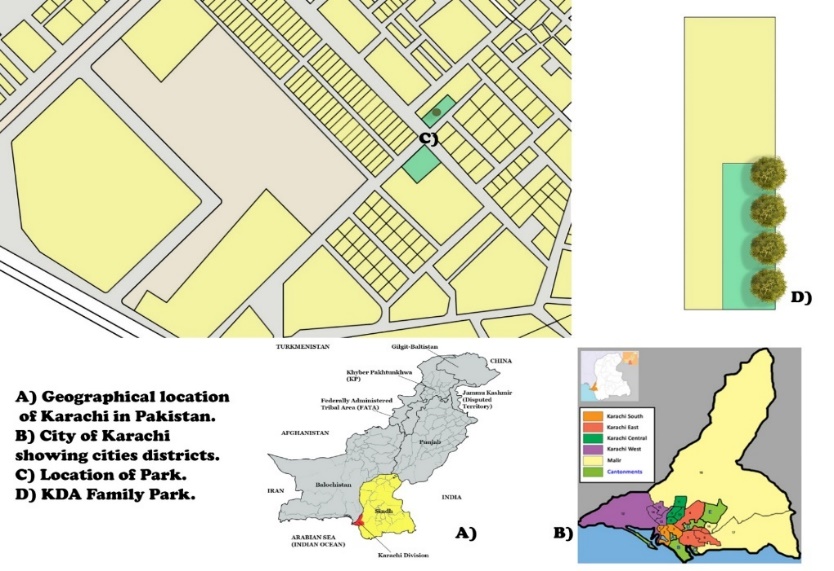
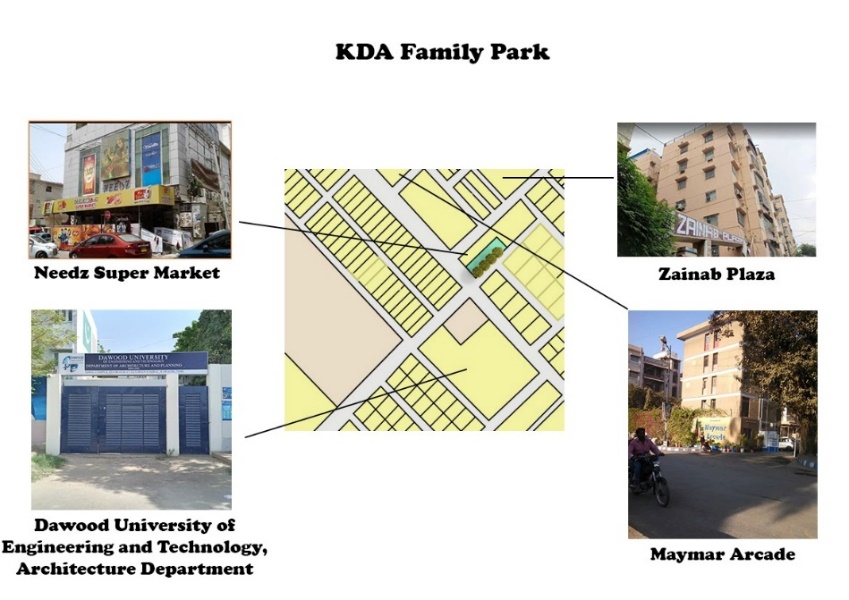
KDA Family Park is situated in Scheme 1-A Extension, within Block 16 of Gulshan-e-Iqbal, a prominent residential and commercial precinct in Karachi, Pakistan, as shown in Figure 1a. Encompassing approximately 1,650 square yards, the park occupies a strategically valuable location amid a high-density urban landscape. Its proximity to key landmarks such as NEEDZ Supermarket, Dawood University of Engineering and Technology, and Zainab Plaza, as shown in Figure 1b, enhances both its contextual relevance and potential pedestrian traffic. The park is bounded by residential developments on its eastern and southern peripheries, likely accommodating a diverse population comprising families, children, and elderly residents, while its western edge adjoins active commercial establishments that ensure consistent visibility and accessibility from surrounding arterial roads.
Despite its formal designation as a community park, the site is informally utilized as an improvised parking facility, especially in the evening when the volume of parked vehicles significantly increases. This unsanctioned use has not only compromised the park's surface integrity but has also diminished its capacity to function as a public green space. The absence of vegetative cover, including turf, trees, and ornamental planting, has further degraded the site's environmental and aesthetic quality, in addition to the informal use that has significantly compromised the site's physical condition and damaged its role as a public green space. Moreover, the park lacks a defined or signposted access gate, which adds to its neglected aspect and further hinders public interaction. This perception is reinforced by deteriorated boundary elements and the visible encroachment of neighboring structures, which have progressively eroded the park's spatial clarity and civic presence.
Nevertheless, the park's locational advantages and adjacency to complementary public facilities, including mosques, gyms, additional parks such as Hakeem Saeed Park and Mahmoud Ghaznavi Park, food outlets, and playgrounds, underscore its latent potential as a vibrant social and recreational node. This case study illustrates the urgent need for targeted landscape interventions, participatory design processes, and sustainable urban design strategies to rehabilitate the site.
Findings and Results
The findings from user surveys and field observations reveal both strengths and areas for improvement in KDA Family Park, in connection with park characteristics.
Green Cover
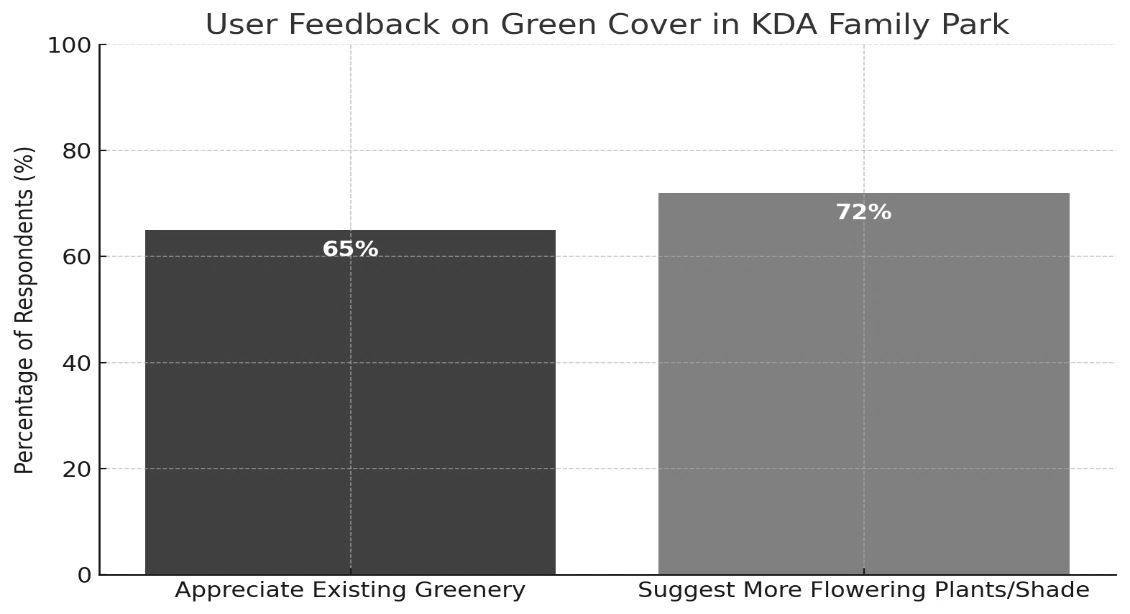
According to the survey results, 65% of the respondents expressed satisfaction with the existing green cover, specifically appreciating the presence of mature trees. These trees offer valuable ecosystem services, such as providing shade, reducing ambient temperatures through evapotranspiration, and acting as natural air filters that improve air quality, in addition to defining the park's edge, offering visual enclosure, and a sense of separation from the surrounding urban clutter. However, despite this appreciation, 72% of the users recommended enhancing the park's internal green cover, particularly by introducing flowering plants, shrubs, and shaded seating areas within the park's core activity zones. This high percentage reflects a critical gap in user satisfaction regarding the spatial distribution and functional placement of vegetation. All in all, the findings of green cover in KDA Family Park reveal a moderate presence of vegetation, characterized by mature trees primarily located along the park's boundaries, while the interior zones remain relatively sparse in plantation density. This spatial distribution of greenery influences how users perceive the park's natural ambiance and usability. In conclusion, while boundary greenery in KDA Family Park is valued by the public, the lack of functional and aesthetic vegetation within activity zones emerges as a significant shortcoming. The findings are indicated in Figure 2, shown above.
Amenities:
Seating
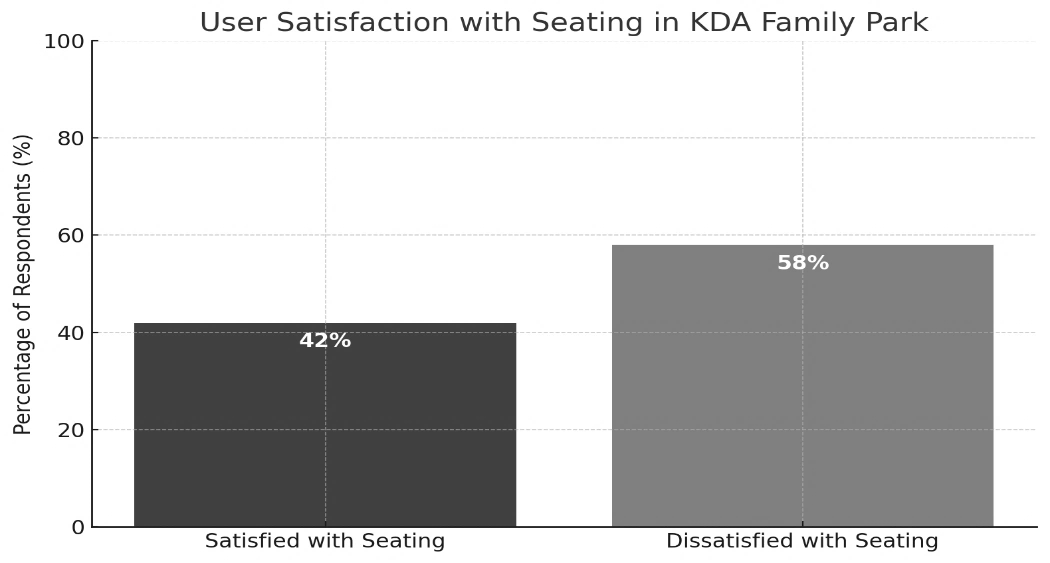
According to the survey results and field observations, 42% of the users expressed satisfaction, whereas 58% of users were dissatisfied, mainly due to the inadequate number of benches and lack of shaded, comfortable resting areas, especially noted by elderly visitors. The evaluation of seating arrangements within KDA Family Park reveals significant shortcomings that directly impact user comfort, park utilization, and overall satisfaction. The seating provision is currently unevenly distributed, with a concentration of benches near the main entrance, while the inner and recreational areas of the park remain largely underserved. This layout restricts the utility of the entire park space, as visitors are forced to stay close to the entrance if they wish to rest, undermining the purpose of a park as a space for exploration, relaxation, and diverse activity. The absence of such improvements will likely perpetuate underuse of the park's internal areas, limit its social and recreational functions, and undermine user satisfaction.
Lighting
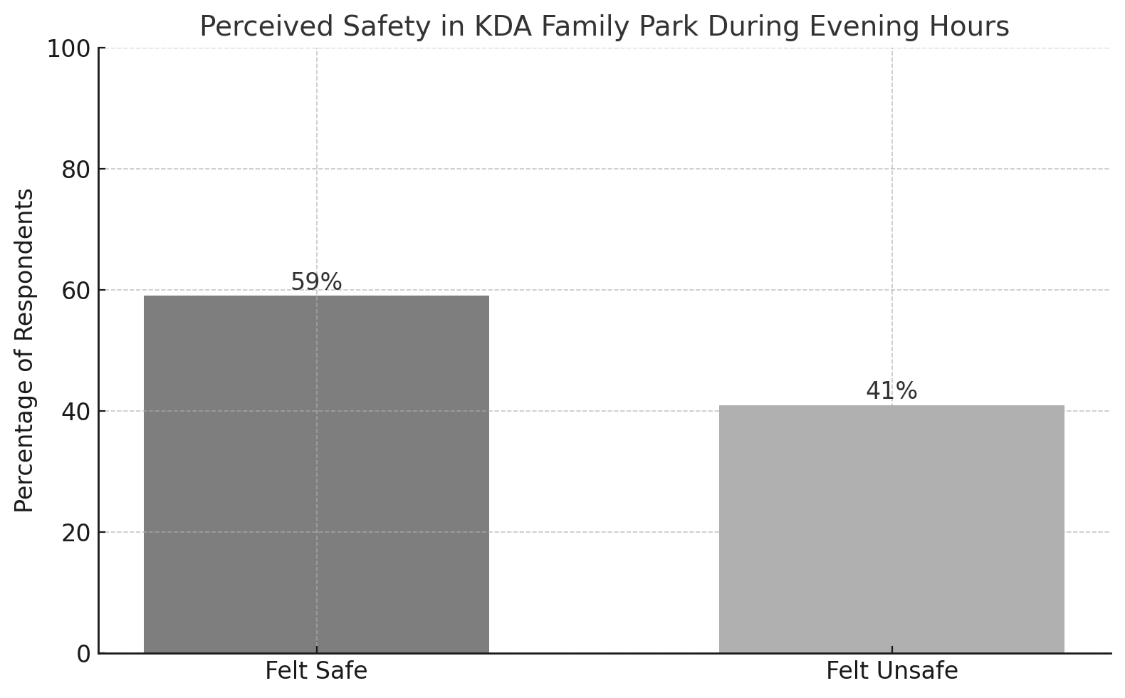
According to the survey results and field observations, 59% of the users reported feeling safe during evening hours, possibly due to the presence of lighting near entrance areas and pathways. However, a significant 41% of users felt it was unsafe, citing inadequate or malfunctioning lights, especially along inner pathways and gathering spaces. Field observations confirmed that several lamp posts were broken or non-functional, leaving critical park zones poorly illuminated. This suggests that while some areas remain adequately lit (likely near entrances), interior zones suffer from neglect, creating shadows and reducing visibility, and impacting the perception of safety. The high percentage of perceived risk implies that better lighting distribution and repair could significantly improve park usage and visitors' confidence.
Pathways
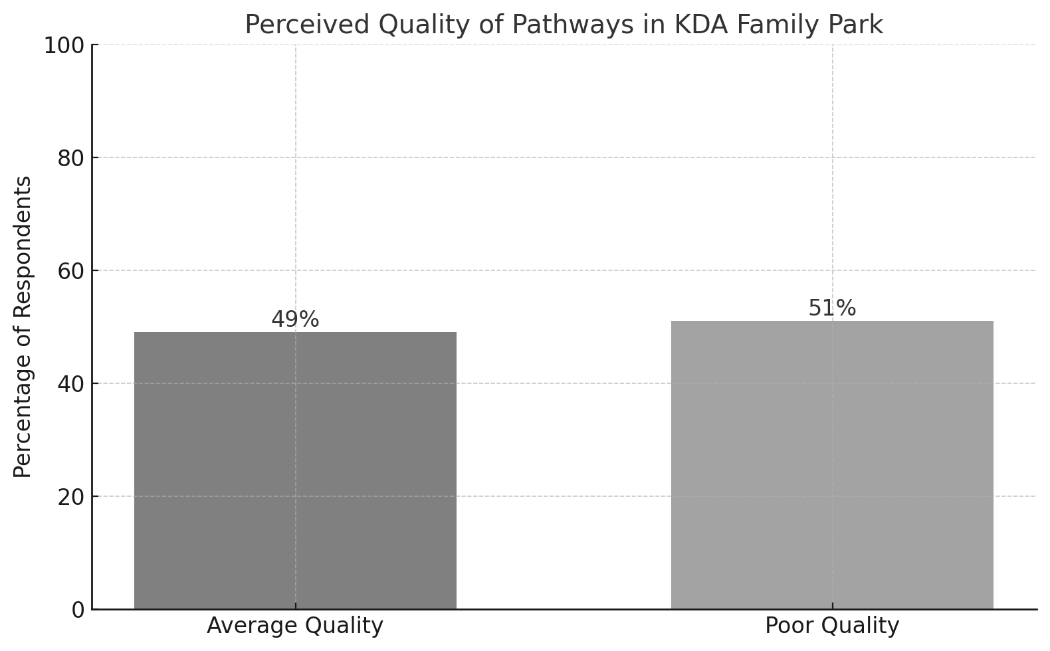
According to the survey results and field observations, 49% of respondents rated the pathways as "average", and 51% of users rated the pathways as "poor". Indicating that while the tracks are continuous and accessible, their surface quality is not entirely satisfactory. Field observations and user surveys revealed that the pathways in KDA Family Park are functionally adequate but physically deteriorating, which negatively influences user satisfaction and park utilization. A slightly larger proportion, 51% of users, rated the pathways as "poor", expressing specific concerns like broken tiles, uneven joints, and exposed roots in some areas, and insufficient width in certain sections, making it difficult for joggers and walkers to comfortably pass each other. This dual perception, where nearly half view them as "average" but an equal share sees them as "poor," indicates that significant upgrades are both needed and expected by the community to make the park a safe, enjoyable space for walking, jogging, and exercise.
Accessibility
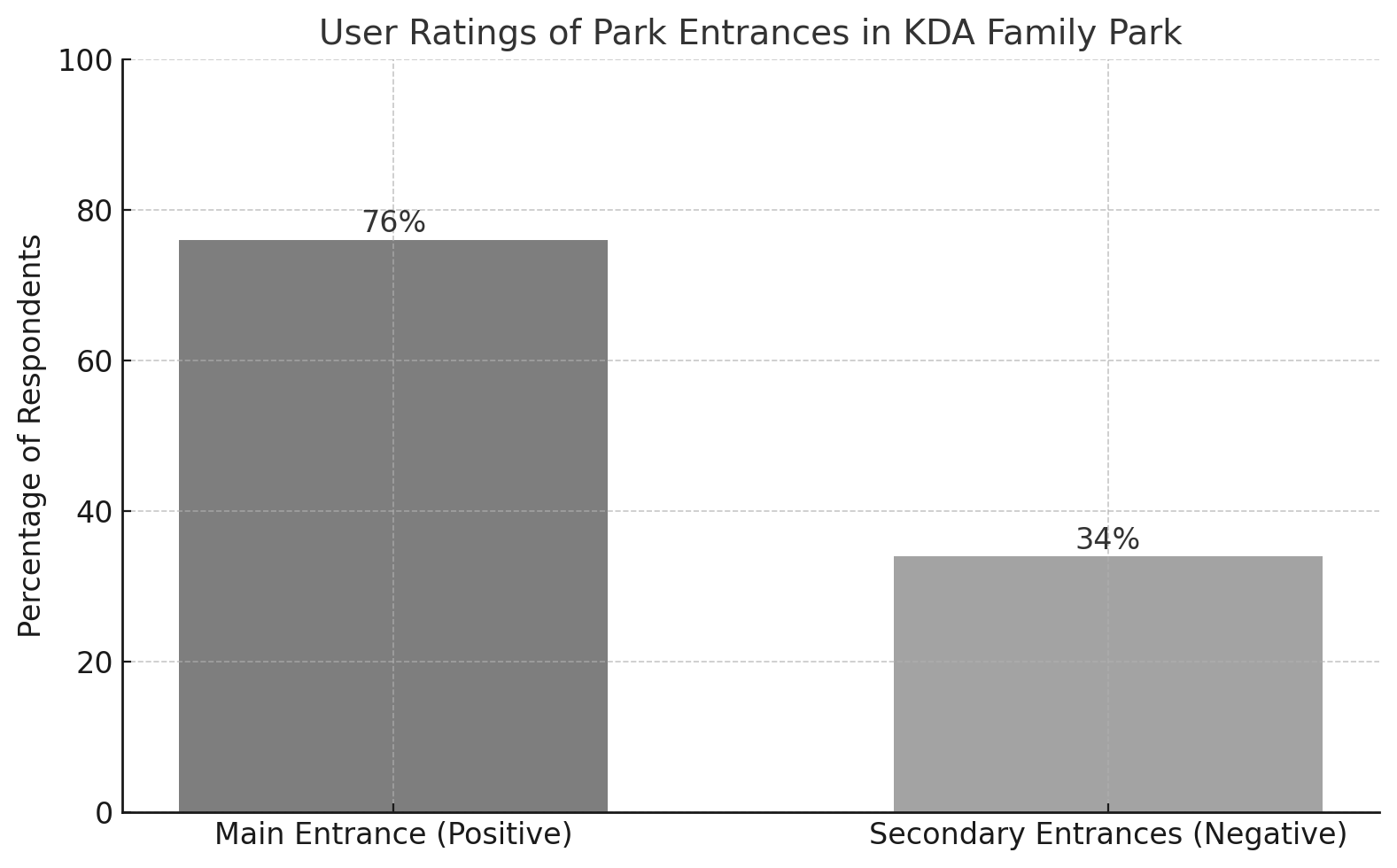
According to the survey results and field observations, 76% of surveyed users rated the main entrance positively, indicating satisfaction with its visibility, width, and convenience. Field observations confirmed that the main entrance is demarcated, facing a busy street (adjacent to NEEDZ Supermarket and Dawood University), making it easy to locate even for first-time visitors. The entrance's open design and unobstructed pathway facilitate smooth access for most pedestrians, including those on foot and cyclists. This positive rating suggests that the main gateway plays a critical role in attracting casual park users and maintaining the visibility of the park as a community space. However, secondary entry points lacked clear signage and ramps, limiting accessibility for disabled users and strollers, and hence, were rated negatively by 34% of the users. While the main entrance meets user expectations, the secondary entry points require significant design and maintenance interventions to ensure universal accessibility and usability.
Safety
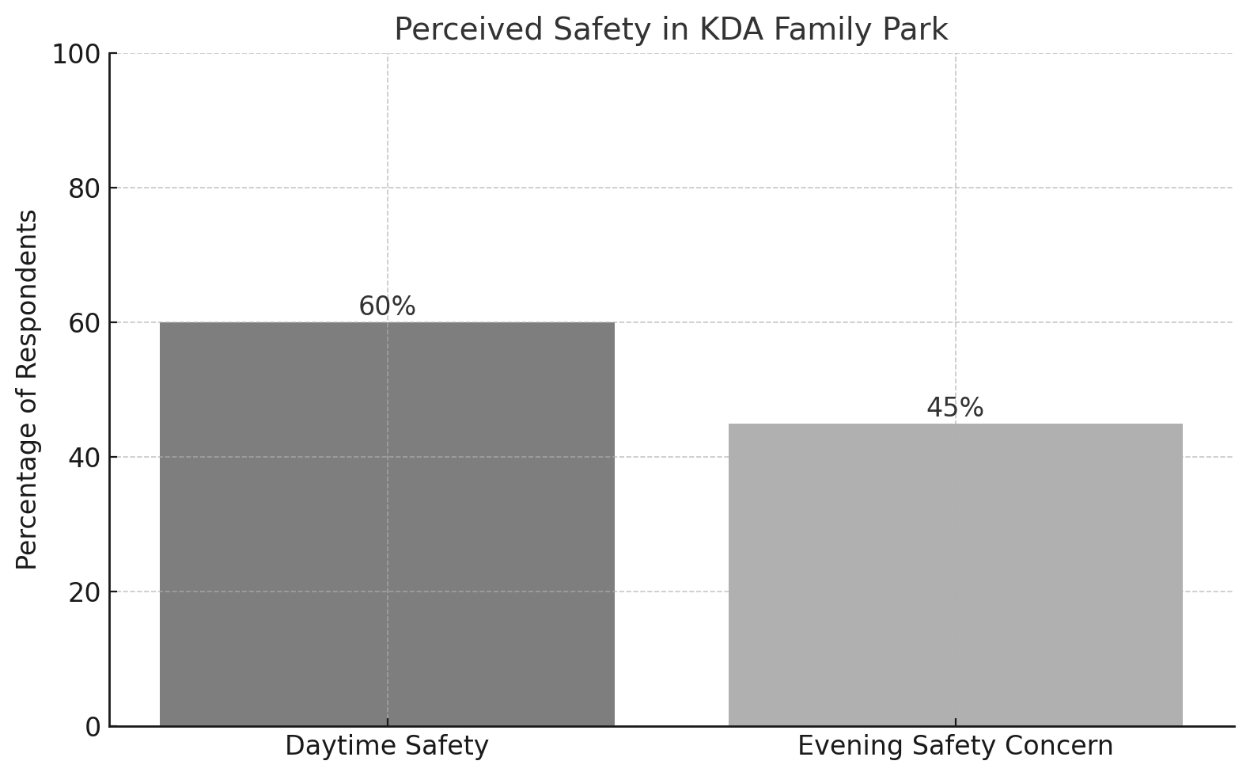
According to the survey results and field observations, 60% of respondents reported feeling safe while visiting the park during the day, due to the presence of other visitors, shopkeepers, and passersby. Also, ample daylight visibility reduces fear of hidden or risky areas and active surrounding commercial areas and universities that contribute to familiarity and routine daytime activities. However, 45% of evening users expressed safety concerns due to poor lighting infrastructure, and lower foot traffic after sunset increases perceived isolation. Especially women and elderly visitors, highlighted the fear of theft or harassment after dark.
Maintenance
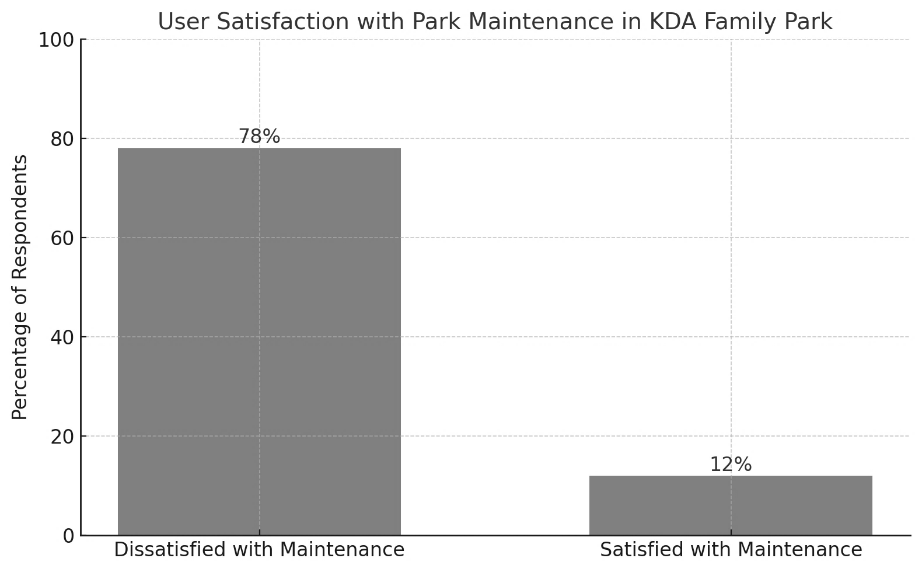
According to the survey results and field observations, Overall maintenance received low ratings from users, with 78% dissatisfied with waste disposal, broken fixtures, and poorly maintained play equipment. The satisfaction level was 12%. Field observations confirmed litter accumulation and rusted swings in the children's area. The combination of survey feedback and direct observation highlights critical areas such as lighting, seating adequacy, and maintenance that require intervention to improve the park's functionality and user satisfaction. The satisfaction level was only 12%. This stark contrast underscores the need for immediate maintenance improvements, particularly focusing on cleanliness, timely repair of facilities, resurfacing of pathways, and rejuvenation of the plantation for restoring KDA Family Park's function as a safe, clean, and welcoming urban green space. Without addressing these factors, the park's usability and attractiveness will likely continue to decline.
Discussion and Analysis
The evaluation of KDA Family Park's design and facilities to determine demonstrates alignment with comprehensive research on the park. The quality and user satisfaction also highlight local challenges requiring attention.
Green cover was found to be sufficient in border areas but very low internally, supporting existing literature on the importance of vegetation for aesthetic and thermal comfort (Bowler et al., 2010). Enhancing the ornamental interior green zones with diverse plant species can increase user satisfaction and attract more visitors. There is a lack of seating distribution and comfort, echoing. Buehler et al. (2021). It consists of the role of rest areas in promoting park usage, which is particularly for the elderly and family groups. Park benches reorganized to provide shaded seating can improve this feature.
There are the following ways to conclude a discussion: KDA family park play as a socialized landscape. The design purpose and determination need to provide the park's interior shade and gazebo for comfort. The basic point of the green cover is that natural power belongs to the landscape. Landscape designers should consider green cover or create a green environment. The boundary trees provide for peripheral shadow to provide inside and outside the park. The park design is a special case because playing equipment for the children. Wherever seating space and walkways are situated difficult task in the park design for the community. Wherever a lack of natural shade or green cover, which reduces user intention, do not invite a park for leisure time spent, as well as comfort. It's especially for children and elderly people, who avoid the sunny areas during the daytime.
Furthermore, the observation was that absence of green cover between the park and the users.
Existing flora and fauna, with the main value being the presence of mature trees along the park boundaries, i.e., Neem, Gul Mohar, and others. These trees are not only for their visual appearance, it also used for ecological benefits.
People are demanding aesthetic style with beauty from the people who live in the park surrounding them. Respondents said that the absence of flowering and colorful plants. It reduces the visual appeal of the park, making it feel monotonous and less inviting.
A well-planned variety of plant species not only beautifies the space but also enhances the users. The psychological well-being is established by studies emphasizing the mental health benefits of biodiverse green spaces (Gao et al., 2019; WHO, 2016).
Certainly, there is some lack of greenery within the park, which is an important parameter for the provider of there to be a shadow of blessings. Because of its essential need for user comfort in Karachi. Shadow from the tree and plants plays a key role in creating a cooler.
Especially old people visit to park during the daytime. Other visitors are not likely to use these park spaces during the day because of the warmer weather. For the children, they are likely to be in the shade of the plants because of to hot weather. The shaded space to inviting the people for leisure activities without being exposed to direct sunlight.
In the days of summer, such as Karachi, the less visibility of trees, i.e., shrubs, and climbers. It also large plants means that large plants are needed to block direct sunlight. The lack of indoor greenery in parks or public spaces significantly visitor attraction the availability of the shadow of the leaves. Overall, the park activity footstep and user satisfaction have declined, which can be seen.
Creating a less comfortable and inviting environment for users is essential, even if the attraction is also a source of pride. Less pleasant for families and individuals seeking the outdoors.
Sparse interior planting missed opportunity; other than the park, have a good opportunity to improve vital ecological functions is also represented by the thin interior planting. It also improves control microclimate through regulation parameters with biodiversity care and maintenance. Thereby can attract flying birds, butterflies. Vegetation that lowers the space's aesthetic as well as recreational value. The ground coverings, shrubs, flowering plants, and mid-canopy trees are examples of dense vegetation. Park can achieve a balance of ecological and recreational functionality as well as a sustainable and enjoyable environment.
The respondents' suggestions reflect the established urban park design principles, which emphasize vegetation as both a comfort-enhancing and experience-enriching element (Baran et al., 2018; Ceccato & Nalla, 2020). Their demand for diversified planting schemes indicates an intuitive understanding of how green infrastructure contributes to environmental quality and social usability.
Lighting inadequacy is a significant safety concern, particularly for female and elderly users, consistent with CPTED principles (Crowe, 1991). Upgrading lighting systems and maintaining fixtures can mitigate crime perception and encourage evening use. According to Survey results and field interviews, there was a mixed perception of safety among park users. The strongly influenced by the time-of-day older people they want to enjoy greenery. The presence of security features, 60% of the visitors reported feeling usually safe during the daytime. Besides the surrounding area, commercial activity contributed to the development of public security.
Satisfactory cooperation for field observation and successful park management. There are broken poles and dark areas inside the park, especially near secondary entrances and seating areas, which create a feeling of insecurity at night. During the observation period, there was no evidence of regular CCTV surveillance or visible park management staff. Interview comments repeatedly emphasized the community's demand for regular patrols by security personnel, especially in the evening. Installation of high-quality, tamper-proof lighting systems. Use of security cameras to monitor hidden or low-traffic areas.
In the evening, there are quite a few restrictions on the use of the park due to these safety concerns. Women, elderly individuals, and children are less likely to come in the darkness of night, which limits the possibilities of the park being a 24-hour recreational area. Perceived risk impacts actual behavior: even if no incident has been recorded, a lack of surveillance and lighting creates an atmosphere of distrust and discomfort.
Pathway conditions were rated average, indicating partial success in supporting physical activity opportunities as emphasized by Coombes et al. (2010). Repairing the damaged sections and improving the markings can enhance the functionality of the corridor. Joggers and walkers, especially the elderly, identified the surface condition as a safety risk, thereby increasing the chance of slips or falls. The absence of smooth, shock-absorbing track materials (e.g., rubberized or asphalt running tracks) makes the park less attractive for fitness enthusiasts, limiting its potential as a community exercise space. The condition of the pathways discourages longer visits and reduces as well as users avoid less-maintained zones or walk shorter distances.
The resurfacing and widening of pathways would improve comfort and safety, especially for joggers and elderly users. They observed that in many contemporary urban parks, creating a separate lane for joggers and walkers could improve user happiness and reduce conflicts, as well as enhance user satisfaction. Essential needs to maintain pathway quality include regular maintenance is necessary, including patching cracks, clearing debris, and constructing drainage systems. Providing rest areas and shaded areas on paths would promote active use even more during the hottest times of the day.
The park's main entrance accessibility is attractive and interesting for the children. However secondary entrance gate is a small access point comparable to the main entrance. For people with disabilities, inclusive design is crucial (MDPI, 2023). Directional signage and ramps can be utilized. It is ideally situated in relation to residential and commercial shops, and it is sufficiently spacious to serve a number of people. The lack of physical barriers, such as closed gates or steep curbs. A clear view of the park enhances the perception of safety by enabling parents to keep an eye on their kids.
The areas have been assessed where there are visible signs of wear and damage that are facing a lack of maintenance, indicating that either the management oversight is insufficient or there are financial constraints. There were no clear signs or warnings near the damaged areas, which put aware visitors at greater risk. The verification showed that visitors who were not familiar with the park plan. However, 34% of respondents stated dissatisfaction, primarily related to the secondary and side entrance. Field notes showed that visitors who were not familiar with the park's plan were confused due to insufficient signage for alternative entrances. Most importantly, many entrances lack ramps, making it difficult for wheelchair users and parents pushing strollers.
However, 34% of respondents expressed irrelevant opinions, mainly related to secondary and side entry points. There are commonly complaints about secondary access. There is a Lack of directional or informative signs to guide visitors from adjacent streets. The entry points are partially blocked by adjacent construction materials or informal vehicle parking, limiting clear access. Physical barrier, such as steps without handrails or ramps for wheelchair or stroller access. Clearly not visible in the evening like that, reducing visibility and contributing to perceived insecurity.
The presence of nearby shops, university students, and passers-by creates a form of natural surveillance ("eyes on the street"), reducing perceived risk. Children, elderly visitors, and casual walkers were comfortable visiting the park during daylight. In contrast, 45% of respondents who visit in the evening expressed concern about personal safety.
An essential problem in park design is fair accessibility, which is highlighted by the disparity in quality between the main entrance and subordinate entrances. According to universal access standards suggested that all park entrances should be functional, safe, and easily. Just the main gate should be operational, secure, and simple to use. The absence of ramps and signage at these side gates disproportionately disadvantages users with mobility issues, such as parents of small children, the elderly, and those with disabilities. Safety concerns reflected user perceptions, aligned with studies stressing the role of surveillance and clear sightlines (Yasmin et al., 2015). Deployment of security staff and installation of CCTV cameras may improve this aspect. Detailed Analysis of Seating Provision in KDA Family Park.
This level of dissatisfaction highlights two primary areas of concern:
There are many visitors coming to the park. Some people, especially families with children and elderly members who are going to the park. They have found the number of benches to be insufficient compared to the park's size and expected user load. Insufficient seating discourages long stays, limits the use of the inner park zone, and reduces opportunities for passive recreational activities such as reading, relaxing, or socializing. In urban parks, the density of seating has a deep connection to user retention and satisfaction, as well as familiar by Buehler et al. (2021). They emphasized that adequate rest areas are essential to support diverse user groups.
The lack of shaded seating alternatives was particularly noted by older respondents, who felt that the park was uncomfortable. Shade provision is not only a comfort factor but also a practical essential to reduce heat stress and exhaustion in a tropical or subtropical climate like Karachi's. According to WHO (2016), parks with shaded spaces saw a considerable increase in usage, particularly from vulnerable groups like children and the elderly.
The few benches that were accessible it also characterized as being old-fashioned that feeling poorly maintained, and lacking ergonomic design. Benches that are unstable or broken not only make the park less comfortable, but they also present safety concerns as well as discourage people from using them, and lower the park's quality.
According to the responses, the benches were arranged in such a way that they faced parking areas or walls rather than vibrant activities like playgrounds, pathways, or open grassy areas. This mismatch between the seating locations and the centers of park activities diminishes their functional values. Visitors desire comfortable spots that offer interesting views or opportunities to supervise children. There is no seating facility for special needs users, e.g., wheelchair-accessible benches or low-height options for children. It was observed, indicating a lack of universal design principles. According to Roberts et al. (2019), inclusive design significantly enhances park accessibility and satisfaction for all demographics.
Based on user demands and best practice strategies in the landscape design of urban city parks. There are the following recommendations are acceptable. Increase the number of benches within the park's interior spaces to ensure even coverage. Presently, shade structures (pergolas, tree canopies, or umbrellas) are over seating areas. Upgrade benches to durable, ergonomically designed models that cater to a wide range of users, including the elderly and differently-abled. Reorient benches towards scenic or active zones to enhance user engagement and social interaction opportunities. The absence of such improvements will likely continue underuse of the park's internal areas, limit its social and recreational functions, and undermine user satisfaction, contrary to the objectives of urban green space planning.
Maintenance emerged as a major dissatisfaction area, paralleling WHO (2016) findings on the importance of upkeep. Regular cleaning, equipment repairs, and waste management are necessary for improving the park's appeal and functionality. The survey results clearly indicate a significant dissatisfaction among park users regarding overall maintenance. An overwhelming 78% of respondents reported dissatisfaction, while only 12% expressed satisfaction with the park's upkeep. This glaring gap signals a critical concern that directly affects the park's usability, attractiveness, and public trust in urban green space management.
Conclusion
KDA Family Park, situated in the dense urban fabric of Gulshan-e-Iqbal, Karachi, presents a compelling example of the dichotomy between communal potential and spatial neglect commonly observed in metropolitan public spaces. Despite its nominal role as a neighbourhood green space, the park suffers from numerous functional and aesthetic deficiencies that undermine its intended purpose as a site for recreation and social interaction. Field observations revealed that the park's primary entrance is inconspicuously positioned, more reminiscent of a service driveway than a welcoming pedestrian gateway. Adjacent residential encroachments have incrementally constricted the entry pathway, while fading signage and the absence of delineated boundaries blur the spatial identity of the park itself. The lack of essential recreational infrastructure, such as swings, play equipment, and maintained flowerbeds, further detracts from its appeal, while oil stains from idling taxi queues along the perimeter visibly degrade the green cover intended for communal use. However, this study sought to move beyond the mere documentation of physical deterioration to explore the latent aspirations of the park's surrounding community. Through semi-structured interviews with local shopkeepers, neighboring residents, itinerant vendors, and cart pullers regularly stationed at the park's entrance, a more nuanced understanding of user expectations emerged. Recurrent themes included the desire for functional improvements such as designated walking tracks, shaded seating areas, and recreational amenities like chess tables and children's play equipment. Additionally, respondents suggested the incorporation of culturally resonant design elements-such as regional motifs and vibrant planting schemes-that reflect local identity and foster a sense of ownership and pride.
These community-derived insights were triangulated with field notes and household surveys to develop a holistic narrative of the park's current condition and potential trajectory. The findings underscore the importance of integrating user-centered perspectives into the design and rehabilitation process, particularly within the context of climate-resilient urban planning. Enhancing features such as accessibility, safety, inclusivity, and cultural relevance aligns with established landscape architecture principles while responding to the specific socio-spatial dynamics of the locality.
Ultimately, the revitalization of KDA Family Park represents more than a localized urban intervention; it illustrates the broader principle that underutilized or neglected public spaces can be transformed into vibrant community assets through participatory design and sensitive planning. By capturing the voices of everyday users-those who traverse, observe, and depend upon the park space daily-the project avoids the pitfall of top-down, technocratic solutions. Instead, it lays the groundwork for a park that fosters social cohesion, promotes environmental sustainability, and enhances the lived experience of the surrounding population. This case study thus offers valuable lessons for urban planners, designers, and policymakers committed to fostering equitable and resilient public spaces within rapidly urbanizing contexts. It is recommended that the space be designed to promote conversation and make people feel safe. There should be space for small-scale recreational activities. This will encourage participation and foster a sense of community. It is also recommended that the area be used more as a family park instead of a public park, with an emphasis on comfort, safety, and activities that are fun for people of all ages in a family setting.
In conclusion, while boundary greenery in KDA Family Park is valued by the public, the lack of functional and aesthetic vegetation within activity zones emerges as a significant shortcoming. The 72% demand for enhanced flowering plants and shaded areas suggests that the park's internal landscape requires reconfiguration to address comfort, usability, and attractiveness. Without such interventions, the park's potential to serve as a true community hub and ecological asset will remain underutilized.
The survey results highlight a nuanced perception of green cover among park users. A significant 65% of respondents expressed satisfaction with the. Including shade provision, reduction of ambient temperatures through evapotranspiration, and air purification. Additionally, their strategic placement helps define the park's edge, creating a sense of visual enclosure and psychological separation from the surrounding urban environment.
However, despite the positive feedback on boundary greenery, 72% of respondents recommended enhancements within the park's internal zones. Specifically, users emphasized the need for flowering plants, low-lying shrubs, and shaded seating areas within the park's core activity spaces. This strong recommendation suggests a notable gap in user satisfaction regarding the spatial distribution and functional placement of vegetation.
The analysis reveals that the vegetation is concentrated primarily along the perimeter, resulting in sparse planting within the interior. This uneven green coverage affects users' experiences by limiting the natural ambiance and comfort within key functional areas. The lack of shaded areas in high-use zones may reduce usability during hotter periods, which could discourage prolonged visits or specific recreational activities.
While the mature trees along the park's boundary are widely appreciated and provide essential ecosystem services, there is a critical shortcoming in the internal green infrastructure. The findings point to the need for a more strategically distributed and user-focused planting design that balances ecological function with user comfort and aesthetic value. Addressing this imbalance could significantly improve the overall user experience and contribute to the park's social and environmental sustainability.
References
- Abdelhamid, M. M., & Elfakharany, M. M. (2020). Improving urban park usability in developing countries: Case study of Al-Shalalat Park in Alexandria. Alexandria Engineering Journal, 59(1), 311–321. http://dx.doi.org/10.1016/j.aej.2019.12.042
- Alam, M. T., Murshed, R., Bhiuyan, E., Saber, S., Alam, R. F., & Robin, R. C. (2020). A case series of 100 COVID-19 positive patients treated with a combination of ivermectin and doxycycline. Journal of Bangladesh College of Physicians and Surgeons, 38(COVID-19 Supplement), 10–15. https://doi.org/10.3329/jbcps.v38i0.47512
- Andrews, M., & Gatersleben, B. (2010). Variations in perceptions of danger, fear, and preference in a simulated natural environment. Journal of Environmental Psychology, 30(4), 473–481. https://doi.org/10.1016/j.jenvp.2010.04.001
- Aronson, M. F. J., Lepczyk, C. A., Evans, K. L., Goddard, M. A., Lerman, S. B., MacIvor, J. S., & Vargo, T. (2017). Biodiversity in the city: Key challenges for urban green space management. Frontiers in Ecology and the Environment, 15(4), 189–196. http://dx.doi.org/10.1002/fee.1480
- Baran, P. K., Tabrizian, P., Zhai, Y., Smith, J. W., & Floyd, M. F. (2018). An exploratory study of perceived safety in a neighborhood park using immersive virtual environments. Urban Forestry & Urban Greening, 35, 72–81. http://dx.doi.org/10.1016/j.ufug.2018.08.009
- Bing, Q., Fan, Z., & Zhi, W. (2019). The main problem of the study on the community park. Modern Urban Research, 3, 35–41.
- Ceccato, V., & Nalla, M. K. (2020). Safety of urban park users: The case of Poznan, Poland. In V. Ceccato & M. K. Nalla (Eds.), Crime and fear in public places: Towards safe, sustainable and inclusive cities (pp. 108–124). Routledge. https://doi.org/10.4324/9780429352775
- Cohen, D. A., & Leuschner, K. J. (2019). How can neighborhood parks be used to increase physical activity? RAND Health Quarterly, 8(4), 6. https://pmc.ncbi.nlm.nih.gov/articles/PMC6557046/
- Dawn. (2024, March 15). Karachi’s vanishing green belts: Urbanization at what cost? Dawn News. https://www.dawn.com/news/1823456
- Ebrahimzade, E., Maleki, S., & Hatami, D. (2014). Assessment of safety in urban parks: Case study: Parks of Izeh City (Persian). Research and Urban Planning, 5(19), 57–72.
- Fineschi, S., & Loreto, F. (2020). A survey of multiple interactions between plants and the urban environment. Frontiers in Forests and Global Change, 3, 30. https://doi.org/10.3389/ffgc.2020.00030
- Gao, T., Liang, H., Chen, Y., & Qiu, L. (2019). Comparisons of landscape preferences through three different perceptual approaches. International Journal of Environmental Research and Public Health, 16(23), 4754. https://doi.org/10.3390/ijerph16234754
- Gronroos, C. (1984). A service quality model and its marketing implications. European Journal of Marketing, 18(4), 36–44. https://doi.org/10.1108/EUM0000000004784
- Kimic, K., & Polko, P. (2021). Perception of natural elements by park users in the context of security. In Public recreation and landscape protection – with sense hand in hand (pp. 354–357). Mendel University in Brno.
- Lis, A., Pardela, Ł., Can, W., Katlapa, A., & Rąbalski, Ł. (2019). Perceived danger and landscape preferences of walking paths with trees and shrubs by women. Sustainability, 11(17), 4565. https://doi.org/10.3390/su11174565
- Lorenc, T., Clayton, S., Neary, D., Whitehead, M., Petticrew, M., Thomson, H., & Renton, A. (2012). Crime, fear of crime, environment, and mental health and well-being: Mapping review of theories and causal pathways. Health & Place, 18(4), 757–765. https://doi.org/10.1016/j.healthplace.2012.04.001
- Loukaitou-Sideris, A., Levy-Storms, L., Chen, L., & Brozen, M. (2016). Parks for an aging population: Needs and preferences of low-income seniors in Los Angeles. Journal of the American Planning Association, 82(3), 236–251. https://doi.org/10.1080/01944363.2016.1163238
- Maruthaveeran, S., & Van den Bosch, C. K. (2015). Fear of crime in urban parks—What the residents of Kuala Lumpur have to say? Urban Forestry & Urban Greening, 14(3), 702–713. https://doi.org/10.1016/j.ufug.2015.05.012
- Park, K. (2017). Psychological park accessibility: A systematic literature review of perceptual components affecting park use. Landscape Research, 42(5), 508–520. https://doi.org/10.1080/01426397.2016.1267127
- Parra, D. C., Van Zandt, A., Wang, P., Goodman, M., Abhishek, J., Haire-Joshu, D., & Brownson, R. C. (2019). Evaluating park use and satisfaction: The case of Trojan Park in St. Louis, Missouri. International Journal of Environmental Research and Public Health, 16(15), 2798. https://doi.org/10.3390/ijerph16152798
- Qian, C. (2017). Design of urban community park based on crowd behavior and psychological health demand: Taking the main city of Chongqing as an example. College of Architecture and Urban Planning of Chongqing University.
- Rahm, J., Sternudd, C., & Johansson, M. (2021). In the evening, I don’t walk in the park: The interplay between street lighting and greenery in perceived safety. Urban Design International, 26(1), 42–52. https://link.springer.com/article/10.1057/s41289-020-00134-6
- Rock, M., Degeling, C., Graham, T., Toohey, A., Rault, D., & McCormack, G. (2016). Public engagement and community participation in governing urban parks: A case study in changing and implementing a policy addressing off-leash dogs. Critical Public Health, 26(5), 588–601. https://doi.org/10.1080/09581596.2016.1177635
- Santos, T., Nogueira Mendes, R., & Vasco, A. (2016). Recreational activities in urban parks: Spatial interactions among users. Journal of Outdoor Recreation and Tourism, 15, 1–9. https://doi.org/10.1016/j.jort.2016.06.001
- Thani, S. K. S. O., Hashim, N. H. M., & Ismail, W. H. W. (2016). Surveillance by design: Assessment using principles of crime prevention through environmental design (CPTED) in urban parks. Procedia - Social and Behavioral Sciences, 234, 506–514. http://dx.doi.org/10.1016/j.sbspro.2016.10.269
- Wang, P., Zhou, B., Han, L., & Mei, R. (2021). The motivation and factors influencing visits to small urban parks in Shanghai, China. Urban Forestry & Urban Greening, 60, 127804. http://dx.doi.org/10.1016/j.ufug.2021.127086
- Wei, W., Jie, Z., & Luo, M. (2018). Analysis on satisfaction and planning strategy of community parks from the perspective of Homo Urbanicus: A case study of Zhongnan Road area in Wuchang District, Wuhan. City Planning Review.
- Wu, K., & Song, L. (2017). A case for inclusive design: Analyzing the needs of those who frequent Taiwan's urban parks. Applied Ergonomics, 58, 254–264. https://doi.org/10.1016/j.apergo.2016.06.015
- Xiaoli, T., Mingxing, C., Wenzhong, Zhang, & Yongping, B. (2013). The classification of urban parks and the relationship between them and their functions: a case study of urban parks in Beijing. Geographic Research, 32(10), 1964-1976. https://doi.org/10.11821/dlyj201310018
- Zhu, J., Lu, H., Zheng, T., Rong, Y., Wang, C., & Zhang, W. (2020). Vitality of Urban Parks and Its Influencing Factors from the Perspective of Recreational Service Supply, Demand, and Spatial Links. Int J Environ Res Public Health, 17(5), 1615. http://dx.doi.org/10.3390/ijerph17051615
Cite this article
-
APA : Ali, S. I., Qureshi, H., & Qayoom, A. (2025). The Influence of Community Park Design Characteristics on User Satisfaction and Park Utilization: Insights from KDA Family Park, Karachi, Pakistan. Global Social Sciences Review, X(III), 132-147. https://doi.org/10.31703/gssr.2025(X-III).12
-
CHICAGO : Ali, Syed Irtaza, Hira Qureshi, and Asma Qayoom. 2025. "The Influence of Community Park Design Characteristics on User Satisfaction and Park Utilization: Insights from KDA Family Park, Karachi, Pakistan." Global Social Sciences Review, X (III): 132-147 doi: 10.31703/gssr.2025(X-III).12
-
HARVARD : ALI, S. I., QURESHI, H. & QAYOOM, A. 2025. The Influence of Community Park Design Characteristics on User Satisfaction and Park Utilization: Insights from KDA Family Park, Karachi, Pakistan. Global Social Sciences Review, X, 132-147.
-
MHRA : Ali, Syed Irtaza, Hira Qureshi, and Asma Qayoom. 2025. "The Influence of Community Park Design Characteristics on User Satisfaction and Park Utilization: Insights from KDA Family Park, Karachi, Pakistan." Global Social Sciences Review, X: 132-147
-
MLA : Ali, Syed Irtaza, Hira Qureshi, and Asma Qayoom. "The Influence of Community Park Design Characteristics on User Satisfaction and Park Utilization: Insights from KDA Family Park, Karachi, Pakistan." Global Social Sciences Review, X.III (2025): 132-147 Print.
-
OXFORD : Ali, Syed Irtaza, Qureshi, Hira, and Qayoom, Asma (2025), "The Influence of Community Park Design Characteristics on User Satisfaction and Park Utilization: Insights from KDA Family Park, Karachi, Pakistan", Global Social Sciences Review, X (III), 132-147
-
TURABIAN : Ali, Syed Irtaza, Hira Qureshi, and Asma Qayoom. "The Influence of Community Park Design Characteristics on User Satisfaction and Park Utilization: Insights from KDA Family Park, Karachi, Pakistan." Global Social Sciences Review X, no. III (2025): 132-147. https://doi.org/10.31703/gssr.2025(X-III).12